Communication Under Pressure: What First Responders Need Beyond Standard Training
Jun 11, 2026
First responders make communication decisions under pressure that most people never face. Standard de-escalation teaches one approach for every person, but someone in crisis who needs empathy requires a completely different technique than someone who needs clear, direct instructions. PCM®-based training teaches your team to read personality types in real time, adapt their approach, and de-escalate using the same framework NASA uses. Department and agency programs available.
This is PCM®-based communication and de-escalation training for law enforcement, firefighters, EMTs, and dispatchers. Every participant completes an individual PCM® assessment before the session.
From there, your team learns to read personality types in real time, adapt their approach, and de-escalate using the same framework NASA relies on. Instead of running one scripted technique on every person, officers learn which approach reaches which type, and how to recognize the difference in the moment.
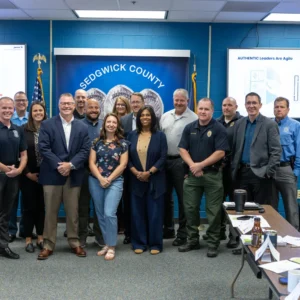
Training is delivered on-site and is built around your department's real call types. Participants work through their own stress responses, practice high-stress scenarios with live coaching, and learn how the same framework improves communication back at the station.
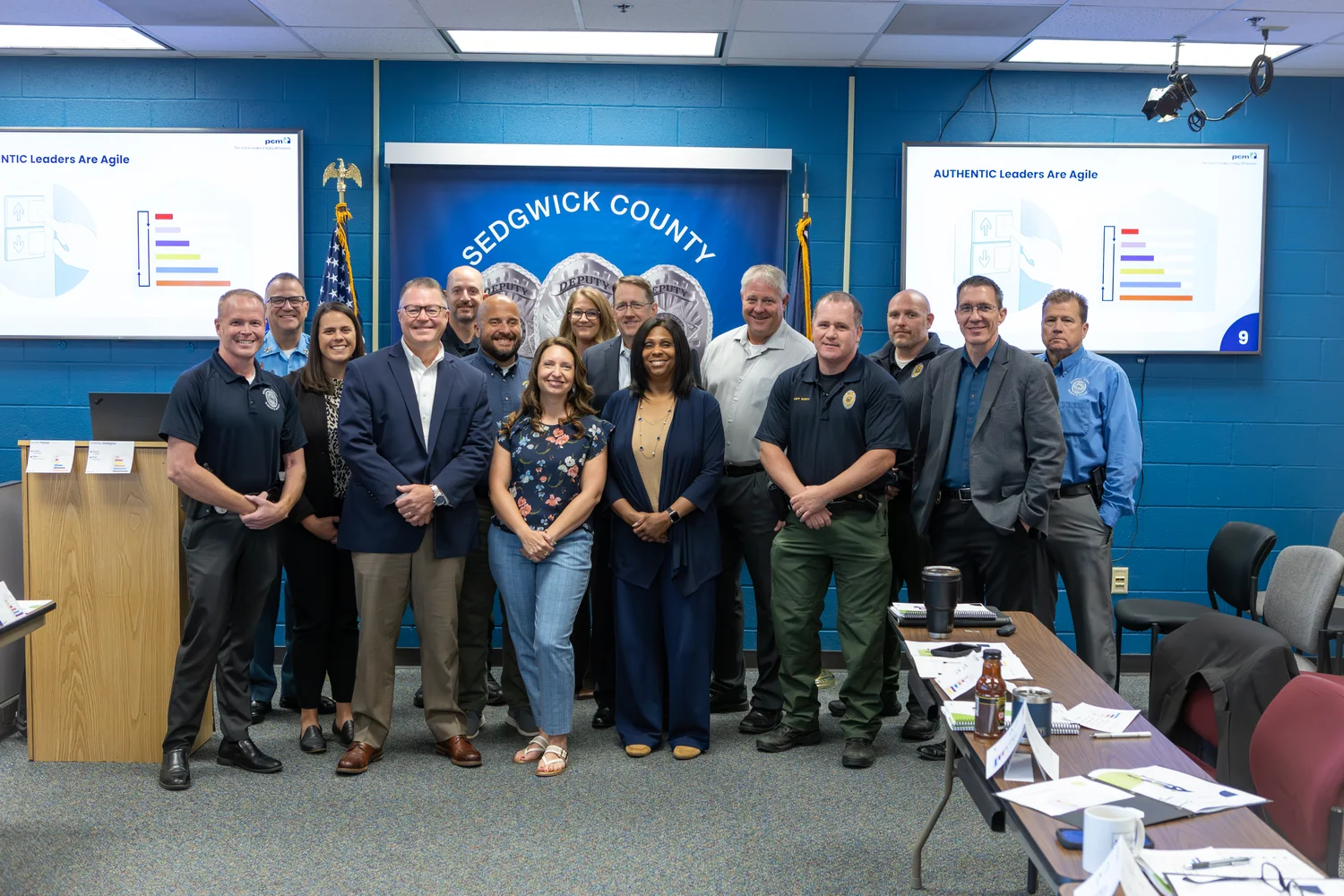
Every program is led by PCM® certified trainers and can be scaled from a specialized unit to a full department or agency.
Booking for a group? Request a custom department workshop on a schedule that fits you.
We begin with a conversation about your department's goals, training history, call types, and the specific communication challenges your team faces. From there we build a custom program proposal with timeline, format, and pricing.
Before the session, each officer, dispatcher, or civilian staff member completes the PCM® personality assessment online (~20-30 min). It reveals their base type, phase type, and stress patterns, so the training day can focus on practice instead of setup.
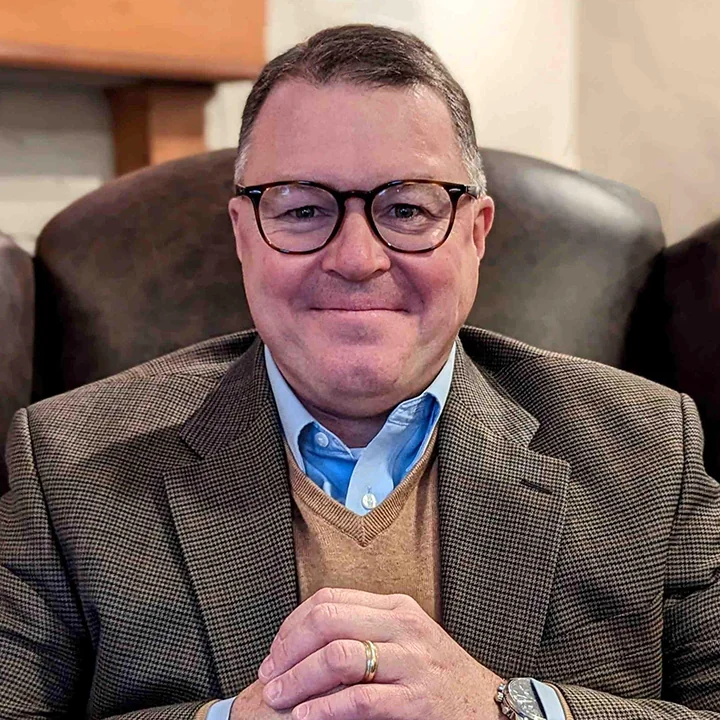
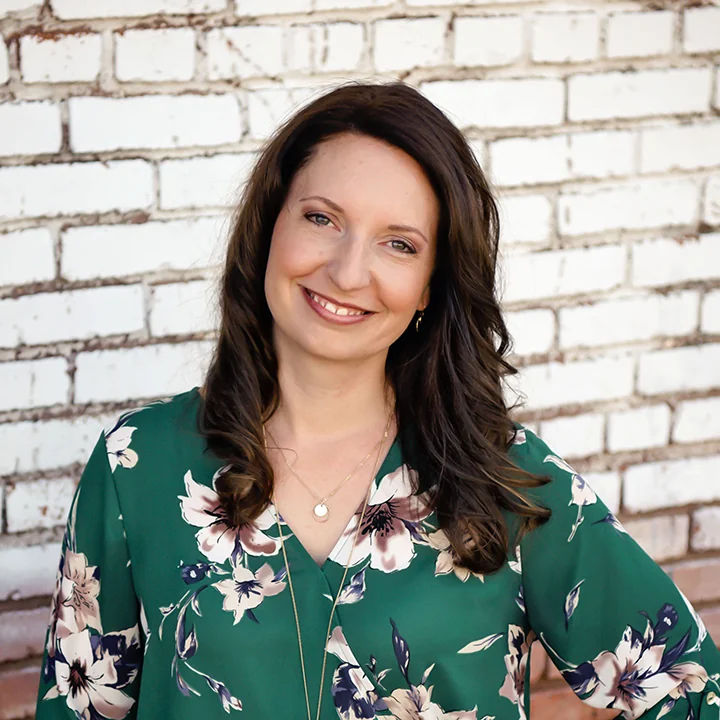
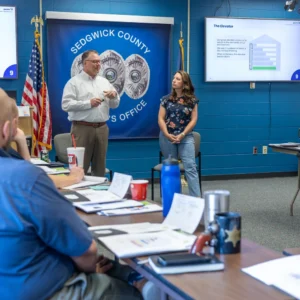
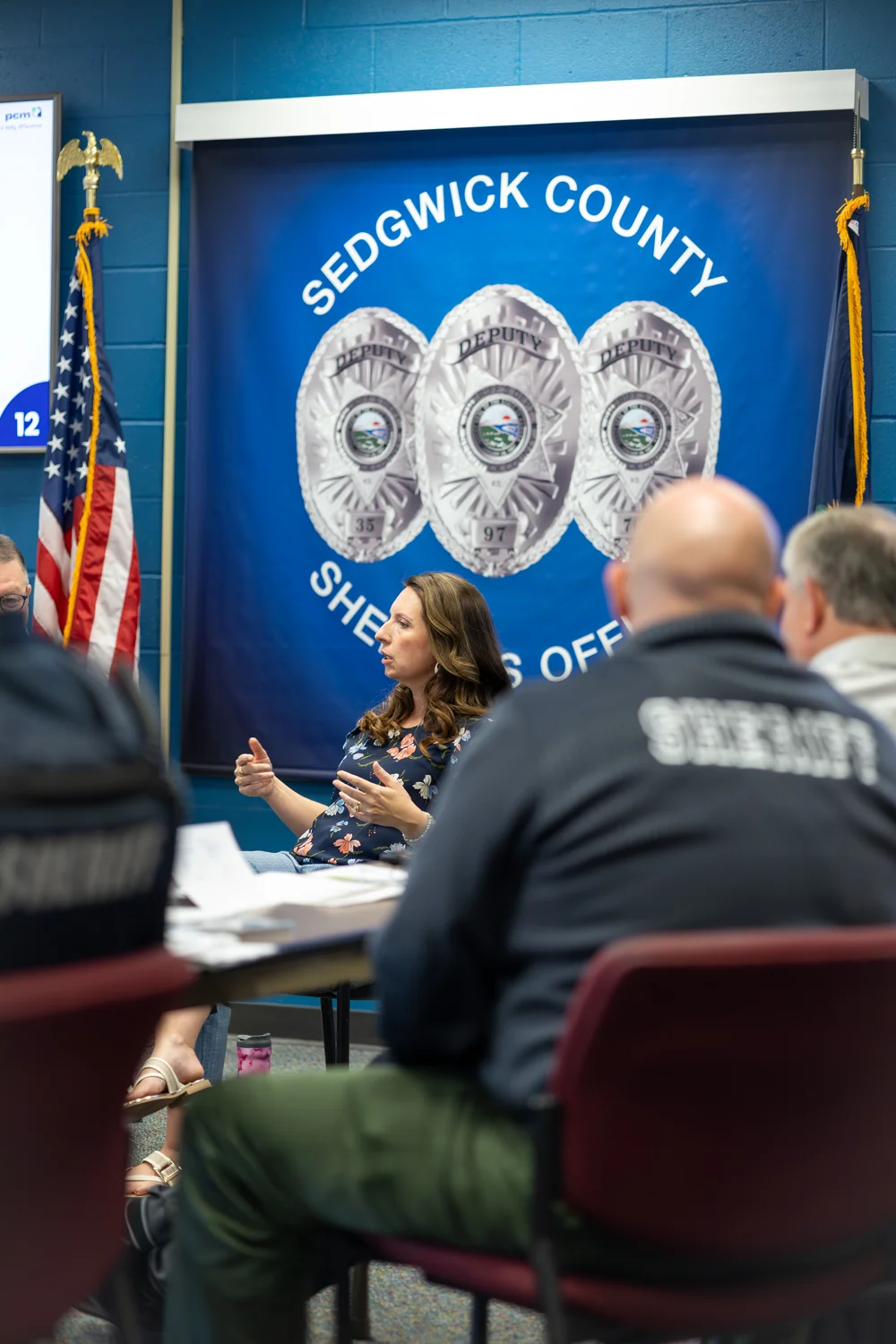
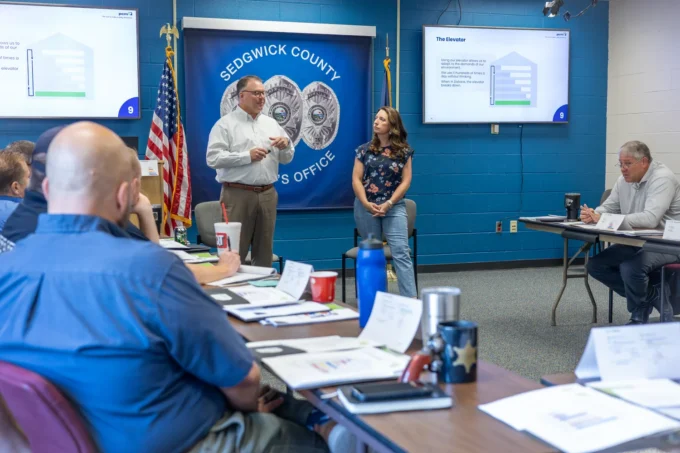
We deliver the program on-site at your facility, built around your real call types. Your team learns to read personality types, match the right de-escalation technique, and practice high-stress scenarios with live coaching from Matt or Sarah.
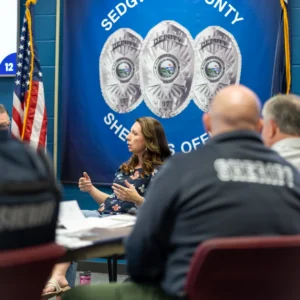
Every participant leaves with their PCM® profile, a communication reference guide, and specific action steps for the field and the station. We handle all materials, facilitation, and follow-up resources.
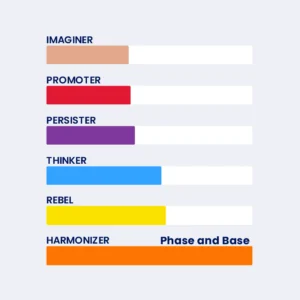
Every participant receives their individual PCM® Profile: a comprehensive, research-based report that identifies their unique personality structure, offering insight into how they perceive the world, engage with others, and react under stress.
The training walks each person through their own results first, then teaches them how to read the six types in the field and adapt their communication in real time using PCM®.
Example of a PCM® Personality Structure
Most de-escalation programs teach a single scripted approach: speak calmly, show empathy, use reflective listening. That works for some people in crisis. For others, it backfires.
Empathy can read as condescension. Calm can read as weakness. Reflective listening can read as stalling. The problem is not the technique. The problem is using the same technique for every person.
PCM® identifies six distinct personality types. Each type has a different stress response, a different communication channel, and a different set of psychological needs. What calms one type escalates another. A person who needs warmth and reassurance requires a completely different approach than a person who needs direct, action-oriented communication.
Standard training gives your team one tool. PCM® gives them six, plus the ability to read which one to use in real time.
PCM®-based training builds four core capabilities that standard de-escalation curricula leave out, practiced live with scenarios built around your real call types.
Identify which of the six personality types you are dealing with from observable behavior and language patterns, in the moment.
Select and deploy the de-escalation approach that works for the person in front of you, instead of running a one-size-fits-all script.
Understand why certain partners clash and how to close the communication gaps within your unit before they cost you on a call.
Recognize how your own personality type responds under pressure and what you need to stay effective when the stakes are highest.
Every person you encounter in crisis is showing distress through one of six personality-based patterns. What you see on the surface: the silence, the lecture, the provocation, the blame tells you which type you are dealing with, and which approach will actually work.
In crisis they fawn and over-comply. They can look cooperative on the surface while shutting down internally, agreeing with everything just to make the moment stop.
The way in: warmth and reassurance that they are valued as a person, not just compliance pulled out of them under pressure.
In crisis they lock up, go rigid, and start arguing procedures, technicalities, and what the rules actually say. Emotion gets pushed aside for logic.
The anchor: clear, logical information delivered step by step, giving them something orderly to hold onto.
In crisis they lecture, demand a supervisor, and insist on their rights and principles. The encounter quickly becomes about respect and being taken seriously.
The bridge: visible respect for their position and an approach that earns trust instead of trying to override it.
In crisis they provoke, manipulate, and probe for weakness, sizing up whether you will hold the line or bluff. Charm and challenge come in the same breath.
The line: direct, action-oriented communication with no hedging and no emotional appeals, just steady confidence they can read instantly.
In crisis they blame everyone else, turn spiteful, and refuse responsibility. Sarcasm and "this is not my fault" become the whole conversation.
The release: validate the frustration first, then brief, slightly playful contact that cuts the tension before anything else can land.
In crisis they go passive and unresponsive, unable to make decisions or answer questions. The noise of the situation overwhelms them and they disappear inward.
The opening: brief, clear directives with enough time to process each one before the next is added.
Your team makes high-stakes communication decisions every shift. Give them the tools to get it right. Contact us to build a training program designed around your department needs.
Each personality type has a physiological stress response that affects how you perform under pressure. Knowing your own pattern means you can catch yourself before it compromises your effectiveness. Training includes your own PCM® assessment, so you understand your patterns before you try to read anyone else.
Locks up under pressure, then flips into fight mode and over-controls the scene, taking charge when the moment calls for listening.
Over-accommodates to keep the peace, then withdraws emotionally and stops asserting the authority the situation requires.
Becomes inflexible, doubles down on the rules, and starts seeing disrespect and bad intent everywhere they look.
Ramps up force, takes shortcuts, and stops listening, trying to win the encounter instead of resolving it.
Blames others and gets sharp, turning tension into open conflict and burning rapport that is hard to rebuild.
Pulls inward, goes passive, and struggles to make decisions, slowing down exactly when the situation needs a call.
All formats include individual PCM® assessments for every participant. Choose the program that fits your agency, your units, and your operational schedule.
| Department-Wide Training | Specialized Unit Training | Leadership Development | |
|---|---|---|---|
| Audience | All sworn + civilian | SWAT, crisis negotiation, dispatch | Command staff, supervisors |
| Format | On-site | On-site | On-site |
| Duration | 1–2 days | Half-day to 1 day | Half-day |
| Focus | De-escalation + team communication | Unit-specific scenarios | Managing diverse teams, coaching |
| Best For | Agencies wanting culture-wide change | High-stress specialty teams | Leaders developing their people |
The same personality patterns that cause miscommunication in the field cause friction in the station, the briefing room, and between partners. When your team understands communication types, the benefits extend far beyond de-escalation.
PCM® was developed by Dr. Taibi Kahler for NASA to solve a specific problem: how do you keep people communicating effectively under extreme stress, with no room for miscommunication, when the consequences of failure are catastrophic?
NASA has used PCM® for astronaut selection and crew communication for over 40 years. The same framework that prevents communication breakdowns in space prevents them on the street, in the dispatch center, and in the station.
Have a question we haven't answered? Matt or Sarah will reply personally within 24 hours.
Contact Us arrow_forward