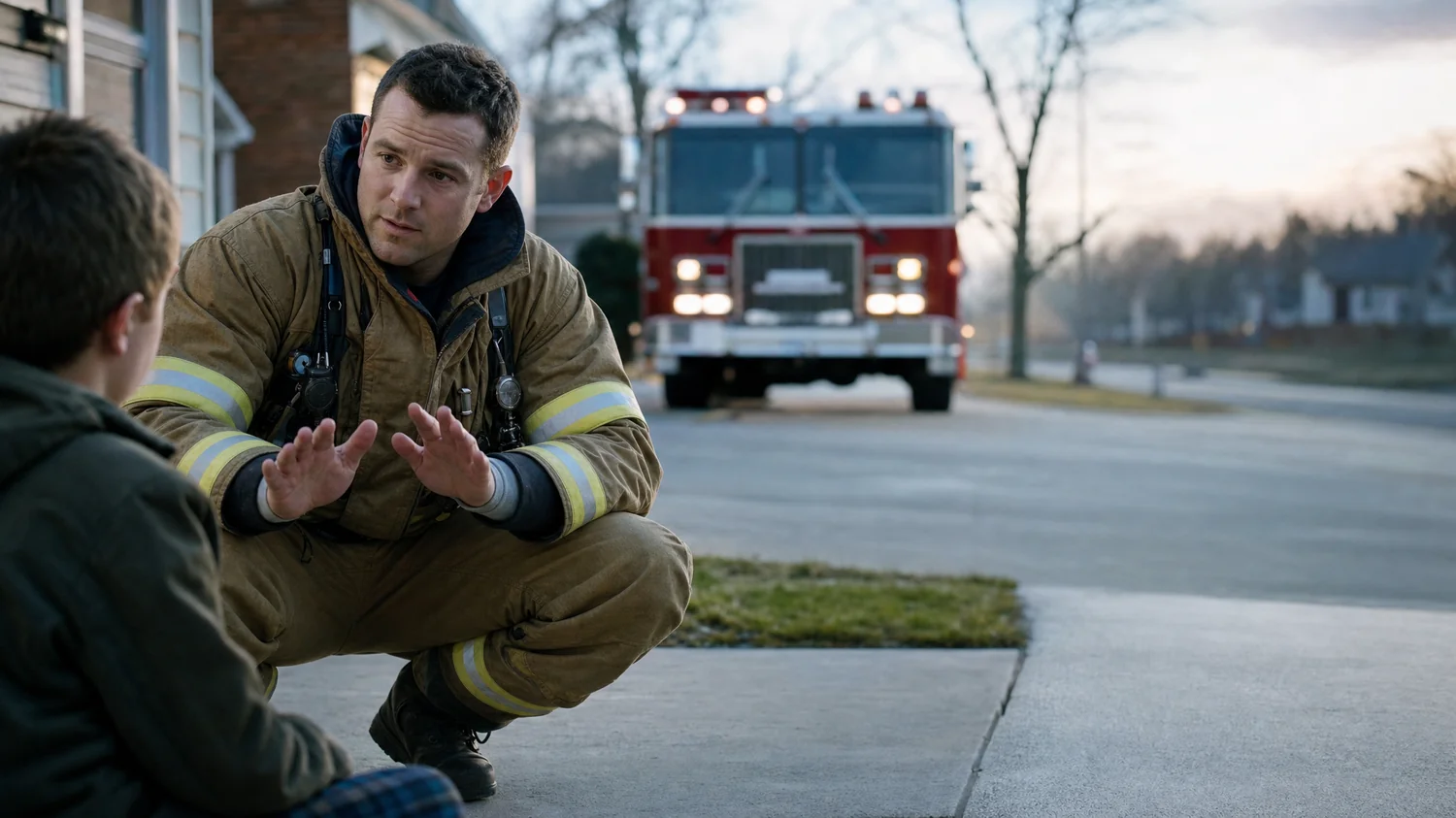

De-Escalation Communication Techniques That Work Because They Match Personality
Standard de-escalation scripts work some of the time because they match some personality types. “I hear you. Let’s talk about this calmly” works beautifully with a Harmonizer but can infuriate a Promoter who hears it as patronizing. Effective de-escalation requires reading the person’s personality type in real time and matching your communication channel to what they need. The Process Communication Model® (PCM®) provides the framework for doing exactly that, which is why NASA, first responder programs, and clinical settings have adopted it for high-stakes communication.

Why Generic De-Escalation Scripts Fail
Most de-escalation training teaches a standard sequence: lower your voice, validate the person’s feelings, use their name, offer choices. These techniques are grounded in sound research and work well with specific personality types (particularly Harmonizers who respond to warmth and validation).
But escalated individuals are not all the same personality type. A Persister in distress is not upset about feelings; they are upset about values being violated. Validating their “feelings” misses the point and can feel dismissive. A Promoter in distress wants action, not talk. A Rebel in distress needs their emotional energy acknowledged, not dampened.
One-size-fits-all de-escalation works 30 to 40% of the time because roughly that percentage of the population responds well to warmth-based approaches. Personality-based de-escalation works significantly more often because it matches the technique to the individual.
Related: Process Communication Model®.
How to De-Escalate Each Personality Type
De-Escalating a Harmonizer (Distress: Self-Blame, Tears)
A Harmonizer in distress makes mistakes, becomes overly accommodating, or breaks down emotionally. They need warmth and personal reassurance.
Technique: Warm tone, personal connection. “I can see this is really hard. I am here with you. We are going to work through this together.” Use their name. Physical proximity (appropriate to context). Reassure them as a person, not just about the situation.
De-Escalating a Persister (Distress: Rigid, Preachy)
A Persister in distress becomes moralistic, lectures, and insists they are right. They feel their values or convictions are under attack.
Technique: Acknowledge their conviction first. “I can see this is something you feel strongly about, and I respect that. Help me understand your perspective.” Do not challenge their values. Validate their right to their opinion, then redirect toward resolution.
De-Escalating a Rebel (Distress: Blaming, Negativity)
A Rebel in distress becomes oppositional, blaming, and says “I don’t care” or “This is stupid.” They need their emotional energy acknowledged, not suppressed.
Technique: Match their energy (not their negativity). “Yeah, this situation is really frustrating, right? What do you think would make it better?” Use informal language and genuine emotional engagement. Do not be clinical or formal.
De-Escalating a Thinker (Distress: Over-Controlling)
A Thinker in distress becomes rigid, nitpicks details, and tries to control the process. They feel their competence is being questioned.
Technique: Acknowledge their thinking. “You clearly have a thorough understanding of this situation. Let me share some additional information that might help.” Provide data and logical structure. Do not say “calm down” because it implies incompetence.
De-Escalating an Imaginer (Distress: Withdrawal, Passivity)
An Imaginer in distress withdraws, gives one-word answers, and waits to be told what to do. They are overwhelmed by the interaction.
Technique: Lower stimulus. Speak quietly, slowly, and give clear, simple direction. “Here is what I need you to do next. Take a moment, and when you are ready, we will take it one step at a time.” Do not flood them with questions or options.
De-Escalating a Promoter (Distress: Manipulative, Dramatic)
A Promoter in distress creates drama, tests boundaries, or manipulates the situation. They need firm, direct, action-oriented communication.
Technique: Be direct and brief. “Here is what is happening. Here are your options. Which do you want?” Do not engage in extended discussion. Promoters respect firmness and clarity. Long empathetic conversations feel manipulative to them.
Related: first responder communication training.
Reading Personality Type Under Pressure
You rarely have time for an assessment in a crisis. But you can read personality type through observable behavior in the first 10 to 15 seconds:
- Verbal cues: What words are they using? Feelings words (Harmonizer), values words (Persister), logic words (Thinker), humor or complaints (Rebel), few words (Imaginer), action words (Promoter).
- Energy level: High energy (Rebel, Promoter), moderate energy (Thinker, Persister, Harmonizer), low energy (Imaginer).
- Interaction pattern: Seeking connection (Harmonizer), seeking acknowledgment (Persister), seeking control (Thinker), seeking space (Imaginer), seeking reaction (Rebel), seeking action (Promoter).
The more you practice, the faster the read becomes. Experienced PCM®-trained first responders can typically identify the dominant personality type within seconds.
Frequently Asked Questions
How does PCM®-based de-escalation differ from CPI or other training?
Most de-escalation programs teach universal techniques. PCM® adds a personality layer that helps you choose which technique to use with which person. The two approaches complement each other: standard training provides the techniques; PCM® provides the targeting framework for applying them effectively.
Can I learn to read personality types quickly enough for crisis situations?
Yes. With practice, personality type identification becomes rapid because distress patterns are highly observable. PCM® training for first responders includes scenario-based drills that build speed. Most participants can identify type within 10 to 15 seconds after completing the training.
Is PCM® used in law enforcement and emergency services?
Yes. PCM® has been adopted by police departments, fire departments, EMS agencies, and military units for crisis communication. The framework originated in clinical psychology and was validated by NASA, both high-stakes environments where communication failures have serious consequences.
How long is the first responder communication training?
First responder PCM® training typically runs one to two days, depending on depth. It includes personality assessment, distress pattern recognition, communication channel practice, and scenario-based drills specific to first responder situations.
Real De-escalation Training.
PCM®-based communication for law enforcement, EMS, and fire personnel. NASA-validated. Field-tested with Wichita PD and EMS.