PCM® vs Enneagram:Comparing Two Approaches to Personality and Communication
The Enneagram maps nine types focused on core motivations and growth paths. PCM® identifies six types focused on communication needs and interaction patterns. Enneagram excels at self-awareness. PCM® excels at giving you specific tools for communicating with people whose personalities differ.
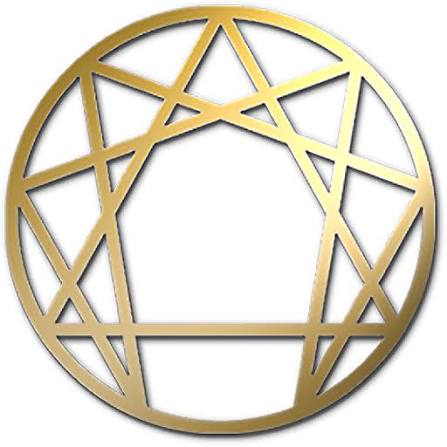
Nine Motivational Types vs Six Communication Types
The Enneagram focuses on why you do what you do at a deep motivational level. Each of the nine types is driven by a core fear and a core desire. This framework is powerful for personal growth and spiritual development. PCM® focuses on how you communicate and what you need from interactions. Each of the six types has specific communication channels, psychological needs, and predictable distress sequences. The two frameworks answer fundamentally different questions.
Personal Growth vs Interaction Skills
Enneagram work tends to be introspective. You learn about your type, your growth path, your stress and security points. This is valuable inner work. PCM® is interpersonal by design. Every concept in PCM® is built around interactions: how to talk to someone, how to motivate them, how to de-escalate when they are in distress. If Enneagram is a mirror, PCM® is a bridge.
Spiritual Tradition vs Clinical Research
The Enneagram has roots in spiritual and contemplative traditions, with modern psychological frameworks layered on top. PCM® was developed through clinical observation by Dr. Taibi Kahler and validated through NASA research. Neither origin is inherently better, but they attract different audiences and serve different purposes.
Can You Use Both?
Many people who love the Enneagram find PCM® adds a practical dimension they were missing. The Enneagram helps you understand your inner world. PCM® helps you navigate the outer world of communication. Together, they offer both depth of self-knowledge and breadth of interpersonal skill.
Enneagram vs PCM®
The following table compares key dimensions to help you evaluate which framework best fits your needs.
| Enneagram | PCM® | |
|---|---|---|
| Foundation | 9 types based on core motivations and fears | 6 types based on communication needs and personality structure |
| Focus | Self-understanding, personal growth, spiritual development | Communication skills, interaction tools, distress management |
| Depth | Deep motivational insight and growth paths | Practical communication channel shifts and need fulfillment |
| Application | Primarily introspective and self-directed | Primarily interpersonal and interaction-focused |
| Origins | Spiritual traditions with modern psychological additions | Clinical observation, NASA validation, peer review |
| Best for | Self-awareness, personal development, spiritual growth | Communication improvement, conflict resolution, team dynamics |
Leaning toward PCM®? The next step is simple.
If this comparison has you leaning toward PCM®, the next step is simple. Contact us to learn about upcoming PCM® workshops.
Questions about the Enneagram & PCM® answered
Have a question we haven't answered? Matt or Sarah will reply personally within 24 hours.
Contact Us arrow_forward