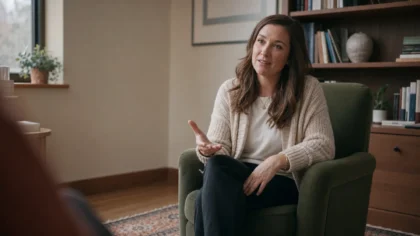
Why Has My Therapy Stopped Working? What a Therapy Plateau Really Means
Jun 28, 2026
Some clients connect easily. Others feel like a wall. The difference is not your skill. It is communication style matching. PCM® gives therapists, counselors, and clinicians a research-based framework for identifying each client type and adapting your therapeutic approach in real time. Stronger rapport, faster engagement, more productive sessions. CE credits available, with individual certification and group programs delivered in-person in Wichita or live online.

PCM® gives therapists, counselors, and clinicians a framework for identifying each client type and adapting your therapeutic approach, session by session.
Some clients connect easily. Others feel like a wall. The difference is rarely your skill; it is communication style matching. Each client has a dominant personality type that shapes how they process information, express emotion, and respond to interventions.
PCM® is not a new therapeutic modality. It layers on top of whatever approach you already use, whether that is CBT, psychodynamic, EMDR, IFS, or any other modality, and makes it more accessible to more clients by matching your communication style to theirs.
Training is led by certified PCM® Therapists & Trainers who are also licensed clinicians, so every technique is grounded in real clinical scenarios rather than theory. CE credit documentation is available for licensed therapists, counselors, and social workers.
Booking for a group? Request a custom clinical team workshop on a schedule that fits you.
Reach out to enroll and we begin with a short consultation to understand your practice, your caseload, and your licensing board's CE requirements. Together we choose the format that fits, whether that is individual certification, group training for your team, or advanced practitioner consultation.
Every program includes an individual PCM® assessment for each participant. You complete it online beforehand (~30-45 min), so you arrive already knowing your own base type, phase type, and distress patterns, the same profile you will learn to read in your clients.
Training is facilitated live, in-person in Wichita or online with breakout rooms for practice, never pre-recorded. You learn to identify client types, read distress in the room, and adapt interventions, practicing each skill with coaching from an instructor who is both a certified PCM® trainer and a licensed clinician.

After training you receive CE credit documentation for your licensing board along with reference materials you can use in every session. Advanced practitioner programs continue as ongoing consultation for couples work, complex cases, and supervision hours.

The Affinity Relationship Profile assesses both partners and maps their personality types side by side. For clinicians doing couples work, it provides structured content for sessions: where the communication gaps are, what each partner needs, and why their conflict patterns repeat.
The profile integrates attachment theory with PCM® types, connecting communication style to relational patterns. Certified PCM® clinicians can administer the assessment directly and use it as an ongoing reference throughout treatment.
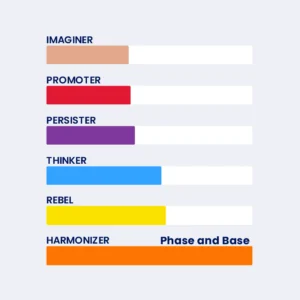
Example of a PCM® Personality Structure

Rapport is the foundation of therapy. Without it, interventions do not land. With it, even difficult work feels possible. Most clinicians attribute rapport to chemistry, experience, or client readiness. PCM® adds a systematic explanation.
The variation is not random and it is not chemistry. Each client has a dominant personality type that determines how they process information, express emotions, and respond to interventions. When your natural communication style matches the client, rapport comes easily.
When it does not, you are working against an invisible barrier. You hear resistance where there is only a mismatched channel; the client feels unmet without knowing why. PCM® makes that barrier visible and gives you specific techniques to communicate through it.
This is not a new therapeutic modality. It is a communication layer that makes your existing modality more effective with every client, giving you a faster path to the material that matters.
PCM® training builds six communication skills that layer onto your existing therapeutic approach, whether that is CBT, psychodynamic, EMDR, IFS, or any other modality.
Recognize each client's personality type from observable language patterns, emotional expression, and session behavior, often within the first conversation.
Match the right communication channel to each client's needs so your interventions land the way you intend them rather than bouncing off.
Spot distress patterns before they disrupt sessions, giving you time to shift approach proactively instead of reacting after rapport is lost.
Adjust pacing, language, and intervention style to match the client in front of you, making your existing modality more accessible to more people.
Apply PCM® in couples and family sessions, where multiple personality types interact and create predictable, repeating conflict patterns.
Map client distress to the fight, flight, freeze, and fawn responses for a more complete clinical picture of what sits underneath a presentation.
These skills do not replace clinical judgment. They give you a faster path to the material that matters, practiced live during training with coaching from a certified, licensed instructor.
PCM® does more than improve rapport. Each of the six personality types shows up differently in the room and follows a predictable distress sequence that maps to clinical material. What you see on the surface: the over-apology, the rigid control, the joke that ends the topic is rarely the work. Learning to read the type underneath gives you a faster route to it.
Warm, accommodating, and eager to please from the first session. They read your face for the "right" answer, soften everything, and have real trouble naming a need or a complaint without apologizing for it.
The cost: the anger they will not voice turns inward and surfaces as depression, fatigue, or somatic complaint. The work begins the moment they feel safe enough to say it out loud.
Engages through logic, structure, and precision. They narrate feelings as data, stay composed, and want the session to make sense. When their sense of control slips, the composure turns into sharp criticism of themselves or you.
The crack: the rigidity masks grief or loss they cannot reason their way through, and the real work begins the moment thinking stops working for them.
Principled, evaluative, and watchful. They arrive with strong convictions about how things should be and quietly test whether you can be trusted. Sessions can tilt toward what is right and wrong rather than what hurts.
The armor: the certainty is armor bolted over a fear they cannot name; progress means helping them tolerate doubt and disappointment without instantly defending against it.
Charismatic, quick, and persuasive in the room. They can steer a session like a negotiation: charming, redirecting, or trading a vivid story whenever the conversation drifts toward something tender.
Behind the charm: the deflection guards a loneliness they will not show, reachable only once you name the move instead of being entertained by it.
Playful, reactive, and expressive. Rapport comes fast and the energy is good, until the work turns serious. Then come the sarcasm, the eye-roll, the "whatever," and the topic somehow becomes someone else's fault.
The punchline: the humor hardens into a wall and the hurt leaks out as blame; the work is staying in the discomfort instead of letting a joke close the door on it.
Quiet, reflective, and slow to speak. They need room to process internally before they answer, so they can read as disengaged or hard to reach. The long silences are usually thinking, not resistance.
The fade: push harder and they retreat further inward, so the work is offering structure and unhurried space until they surface on their own terms.

Better rapport. Faster engagement. More productive sessions. PCM® gives you a systematic framework for reaching every client. Enroll in training and earn CE credits while building skills you will use in every session.
All formats include individual PCM® assessments for every participant. Choose the program that fits your practice and your licensing board's requirements.
| Individual Certification | Group Training | Advanced Practitioner | |
|---|---|---|---|
| Audience | Individual clinicians | Practice or agency staff | PCM®-certified clinicians |
| Format | In-person | In-person | In-person |
| Duration | Multi-session over 4–6 weeks | 1–2 days | Ongoing consultation |
| Focus | Full PCM® certification + clinical application | Team communication + client application | Couples work, complex cases, supervision |
| Best For | Clinicians wanting to add PCM® to their practice | Group practices wanting a shared framework | Clinicians deepening PCM® clinical integration |
If adding a framework makes you think "one more thing to learn instead of the work," here is the distinction. PCM® is not a therapeutic modality and it does not replace your clinical approach. It layers on top of whatever you already practice, whether that is CBT, psychodynamic, EMDR, or IFS, and makes it more accessible to more clients.
It is also not a substitute for clinical judgment or supervision. Reading a client's type gives you a faster path to the material that matters; it does not tell you what to do with it. You still bring the training, the ethics, and the clinical reasoning. PCM® simply helps more of it land.
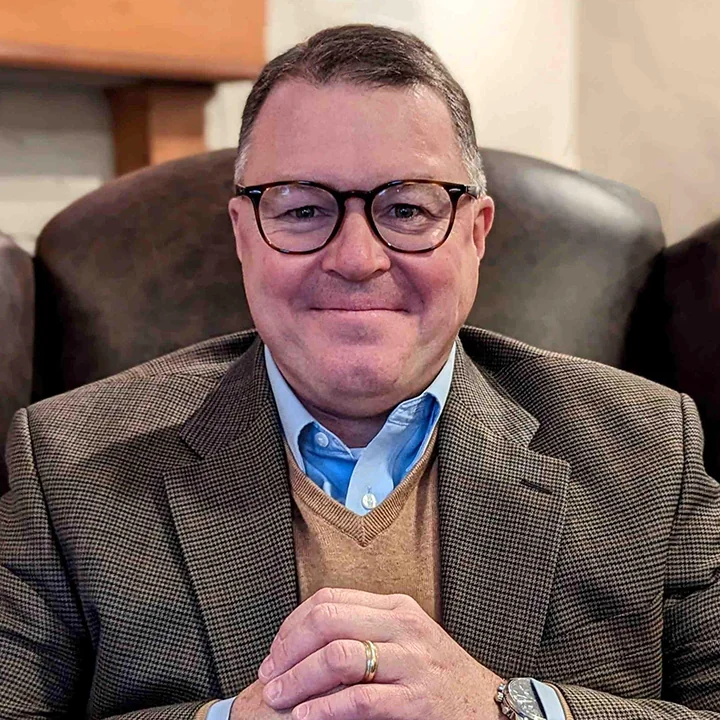
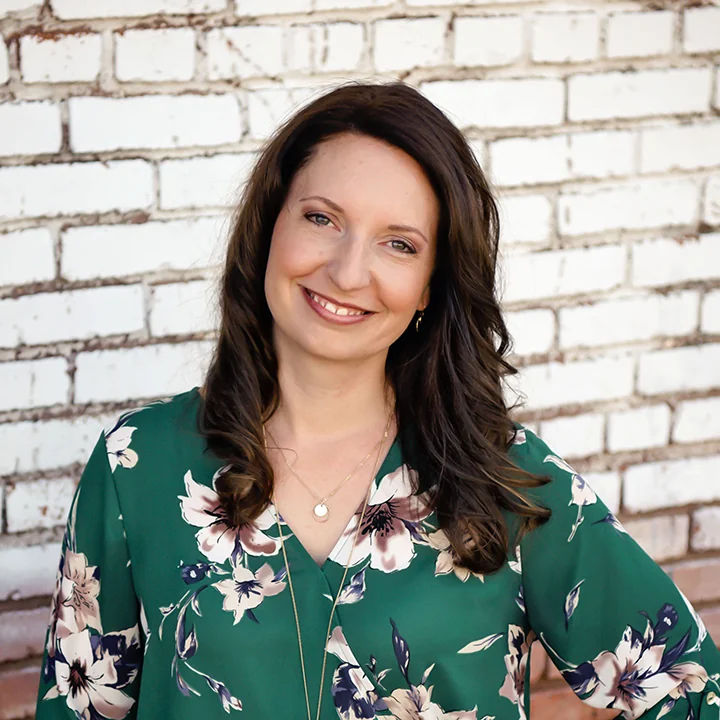
Have a question we haven't answered? Matt or Sarah will reply personally within 24 hours.
Contact Us arrow_forward