
Why Does My Anxiety Get Worse When I Finally Relax? Understanding Your Nervous System
Episode 20: Behind the Therapy Door
This article draws on a conversation between therapists Sarah Thome and Matt Gallagher. Listen to the full episode for the stories behind the takeaways.
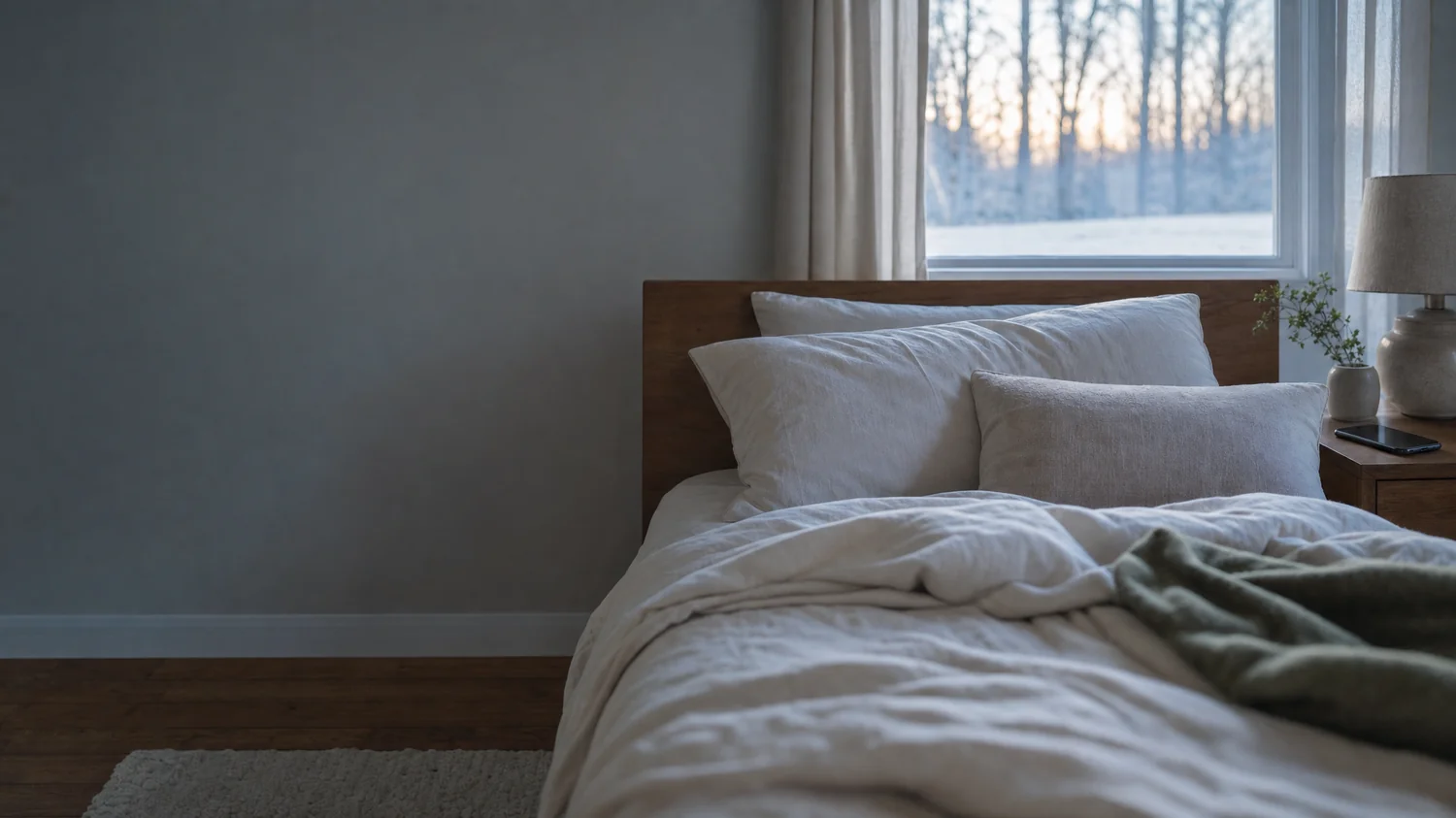
You finally sat down. The weekend arrived. The vacation started. And instead of feeling calm, your heart is racing, your thoughts are spiraling, and you feel worse than you did during the busiest week of the year. On Episode 20 of Behind the Therapy Door, Sarah Thome and Matt Gallagher explain why anxiety often intensifies when you finally stop moving, what your nervous system is actually doing, and practical anxiety coping strategies that work when your brain will not shut off.

Related: About Sarah and Matt.
Related: PCM® vs StrengthsFinder: understanding stress responses.
Why Does Anxiety Surface When You Stop?
Matt uses a Peaky Blinders example that makes this immediately clear. Tommy Shelby, the show’s protagonist, does not have flashbacks during gang conflicts or shootouts. He has them on the golf course, in moments of quiet and relaxation. This is not a coincidence. When your body is in action mode, the survival system is engaged and the anxiety has somewhere to go. When you stop, the survival system has nothing to fight, so the stored tension has no outlet. It turns inward.
Think of it like a fighter pilot pulling G-forces while sitting perfectly still. Matt uses this analogy: the body can be physically exhausted from internal tension alone. You look relaxed on the outside. Inside, you are clenching against forces nobody else can see.
Related: Understanding stress and personality.
How the Process Communication Model® Connects Personality to Anxiety Patterns
Each PCM® personality type experiences anxiety differently. Sarah notes that in her own Persister energy, anxiety shows up as conscientiousness: extra diligence, attention to detail, and a drive to do a good job so nothing gets missed. Matt points to the Harmonizer, whose nurturing nature can turn anxiety into the fear that “someone is going to be mad at me.”
And instead of feeling calm, your heart is racing, your thoughts are spiraling, and you feel worse than you did during the busiest week of the year.
Behind the Therapy Door
Understanding your type’s anxiety pattern matters because coping is not one-size-fits-all. PCM®-informed coping meets you where your personality actually lives.
Related: PCM® personality types.
Related: Which communication framework helps most with stress?.
What Is Actually Happening in Your Nervous System?
Sarah explains the vagus nerve, the 10th cranial nerve, the largest nerve bundle in the body, running from the base of the skull down the brainstem and spine with branches that touch nearly every major organ. When anxiety triggers a fight, flight, or freeze response, the vagus nerve is the mechanism that can help bring the body back down. Understanding this is powerful because it means calming is not just psychological. It is physiological. You can activate the vagus nerve deliberately.
Sarah works with first responders who check eight of thirteen DSM criteria for panic disorder. She pulls out the manual and normalizes their experience: “You are not going crazy. Your autonomic nervous system is wired to sense danger.” The freedom comes from knowing: “This is anxiety. I am not dying. My body is doing exactly what it is designed to do.”
“Anxiety: it never lasts, it is never lethal, and it shrinks when you confront it.”
— Matt Gallagher
Three Rules for Managing Anxiety
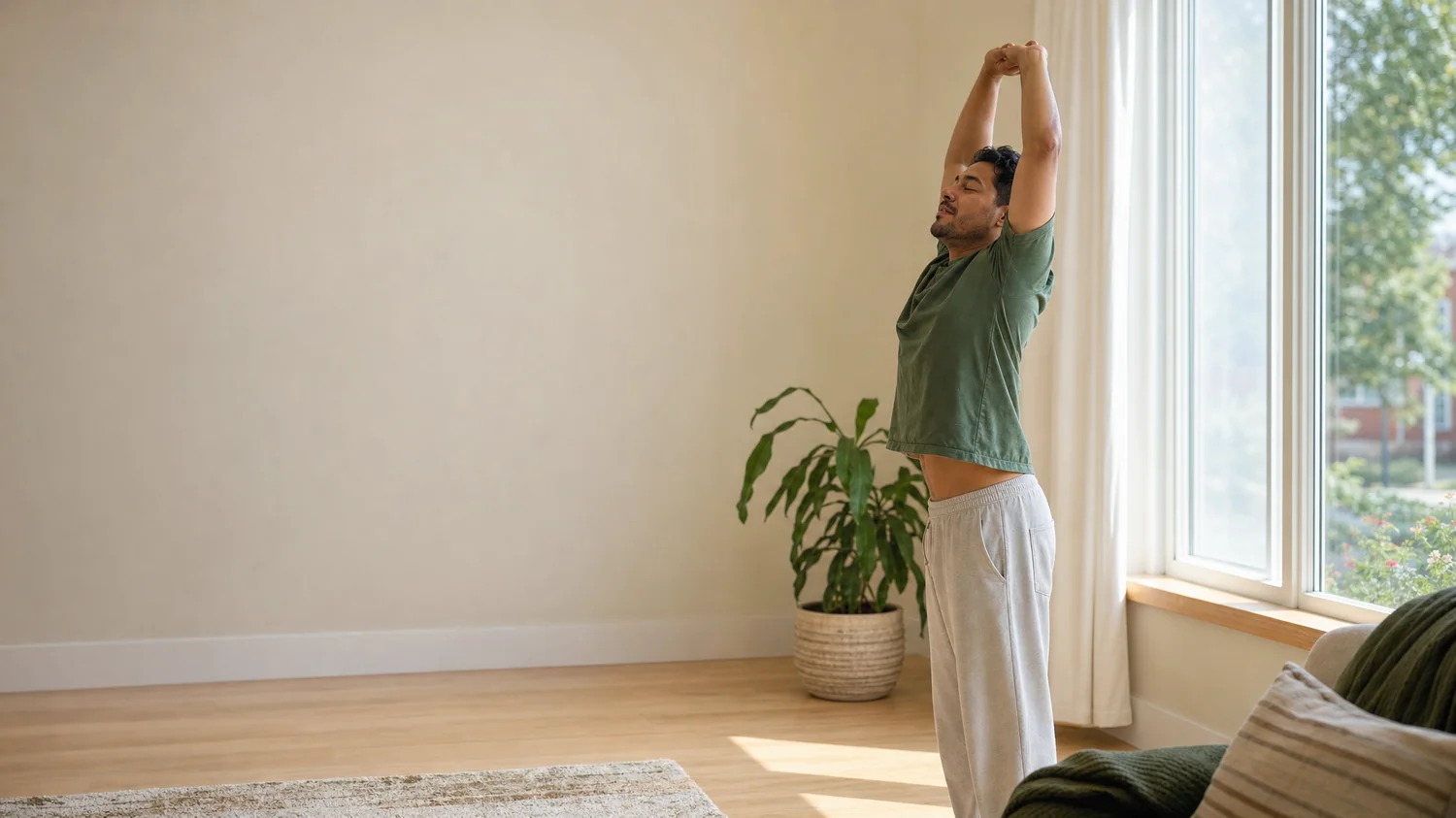
Matt offers a framework that Sarah and Matt both use with clients:
- It never lasts. Anxiety always goes away. It feels eternal in the moment, but it has an expiration date. Knowing this does not make it comfortable, but it makes it survivable.
- It is never lethal. Anxiety symptoms, racing heart, shortness of breath, nausea, can mimic a heart attack. They are terrifying. But anxiety itself does not kill anyone. Your body is reacting to fight, flight, or freeze, not shutting down.
- It always shrinks when you confront it. Sarah’s own therapist told her to “lean into” anxiety. Her response: “You have lost your mind.” But it became a turning point. Engaging anxiety rather than fleeing it is the single most effective long-term strategy.
Related: Therapy approaches.
Anxiety Coping Strategies That Work Right Now
Sarah and Matt share techniques you can use immediately, with one critical caveat: “You cannot wait to practice these skills until you are in a crisis.” Practice them when you are calm so they are accessible when panic hits.
- 4-7-8 breathing. Inhale for 4 counts, hold for 7, exhale for 8. Adjust the numbers if needed. The key is that the exhale is longer than the inhale, which helps signal your body to calm down.
- Cold stimulation for the vagus nerve. Stick your hands in cold water, suck on ice, drink something cold, or hold a cold compress to the back or side of your neck. The cold triggers the vagus nerve to begin calming the system.
- Grounding with your feet. Press your feet into the floor. Notice the sensation. This pulls your awareness from the spiral in your head back into your body.
- Text a trusted person. You do not have to explain everything. Just reaching out breaks the isolation that anxiety feeds on.
- Look at photos of loved ones. Sarah suggests this as a quick regulation tool. Faces of people you love activate the attachment system, which counteracts the threat system.
- Write your plan down when calm. Put the steps in your phone, so all you have to remember is to pull up your phone. When panic hits and you cannot think clearly, the written plan does the thinking for you.
Frequently Asked Questions
Why does my anxiety get worse on vacation?
During busy periods, your body channels anxiety into action. When you finally relax, the stored tension has nowhere to go, so it surfaces as racing thoughts, physical symptoms, or a general sense of dread. This is a well-documented phenomenon, not a sign that something is deeply wrong. It is your nervous system finally processing what it has been holding.
How do I know if it is anxiety or a heart attack?
Anxiety and heart attacks share several symptoms: chest tightness, racing heart, shortness of breath, and nausea. If you are unsure, always seek medical attention first. That said, anxiety symptoms are typically accompanied by racing thoughts, while cardiac events often involve crushing chest pressure, pain radiating to the left arm, and sudden onset during physical exertion.
Can anxiety be cured permanently?
Anxiety is a normal human experience that serves a protective function. The goal is not to eliminate it but to change your relationship with it. Through therapy, coping strategies, and understanding your nervous system, anxiety can shift from a debilitating force to a manageable signal. Many people who once experienced daily panic attacks reach a point where anxiety rarely disrupts their lives.
Find Your Communication Style.
You are not alone in this. Reach out for a consultation and learn strategies tailored to your personality type and nervous system.