PCM® vs DISC: A Practical Comparison of Two Communication Frameworks
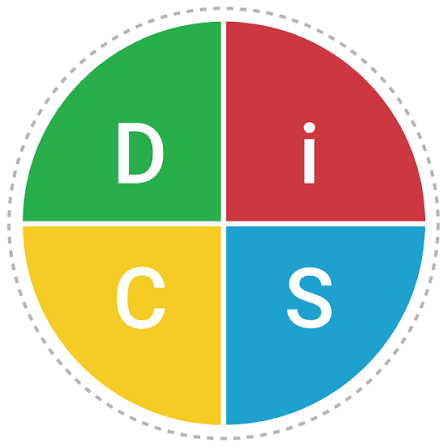
DISC and PCM® both help people understand communication styles, but they work differently. DISC sorts people into four behavioral categories based on observable behavior. PCM® identifies six personality types within every person, revealing not just how someone communicates but why they communicate that way and what they need to stay motivated.
Observable Behavior vs Personality Structure
DISC measures observable behavior across four dimensions. It answers the question: how does this person tend to act? PCM® measures personality structure across six types. It answers the question: why does this person communicate this way, and what do they need from this conversation? The distinction matters because behavior changes with context. PCM® accounts for this by recognizing that every person has all six personality types in a specific order.
Friction Points vs Distress Sequences
DISC identifies potential friction points between behavioral styles. That is useful information, but it stops at the what level. PCM® goes further by identifying distress sequences: the predictable patterns each personality type follows when their psychological needs are not met. In a workshop, participants learn to recognize distress in real time and shift their communication approach.
Quick Team Awareness vs Deep Communication Change
DISC is a popular starting point for corporate teams because it is simple and fast. PCM® works better when teams need to go deeper: when miscommunication is causing real problems, when leaders need to motivate diverse personalities, or when high-stakes communication demands precision.
Why Teams Move from DISC to PCM®
Yes, many organizations use both, and it works well. DISC serves as a fast introduction. PCM® builds on that foundation with deeper tools for real communication change. Think of DISC as learning that someone speaks a different language, and PCM® as actually learning to speak it.
DISC vs PCM®
The following table compares key dimensions to help you evaluate which framework best fits your needs. No single framework is universally better; the right choice depends on your goals, your team's maturity, and what kind of communication change you are pursuing.
| DISC | PCM® | |
|---|---|---|
| Foundation | 4 behavioral types based on observable tendencies | 6 personality types based on internal psychological structure |
| Depth | Identifies communication style preferences | Identifies communication needs, distress patterns, and motivation drivers |
| Flexibility | Assigns one primary style | Recognizes all six types within every person in a unique order |
| Conflict | Highlights potential friction between styles | Provides specific intervention strategies based on distress sequences |
| Validation | Widely used in corporate settings | NASA-validated, peer-reviewed, used in high-stakes environments |
| Best for | Quick team awareness, initial vocabulary | Deep communication skill-building, leadership development |
Leaning toward PCM®? The next step is simple.
If this comparison has you leaning toward PCM®, the next step is simple. Contact us to learn about upcoming PCM® workshops.
Questions about DISC & PCM® answered
Have a question we haven't answered? Matt or Sarah will reply personally within 24 hours.
Contact Us arrow_forward